
The New Playing Field: Why Esports is Definitional to the Future of Sport

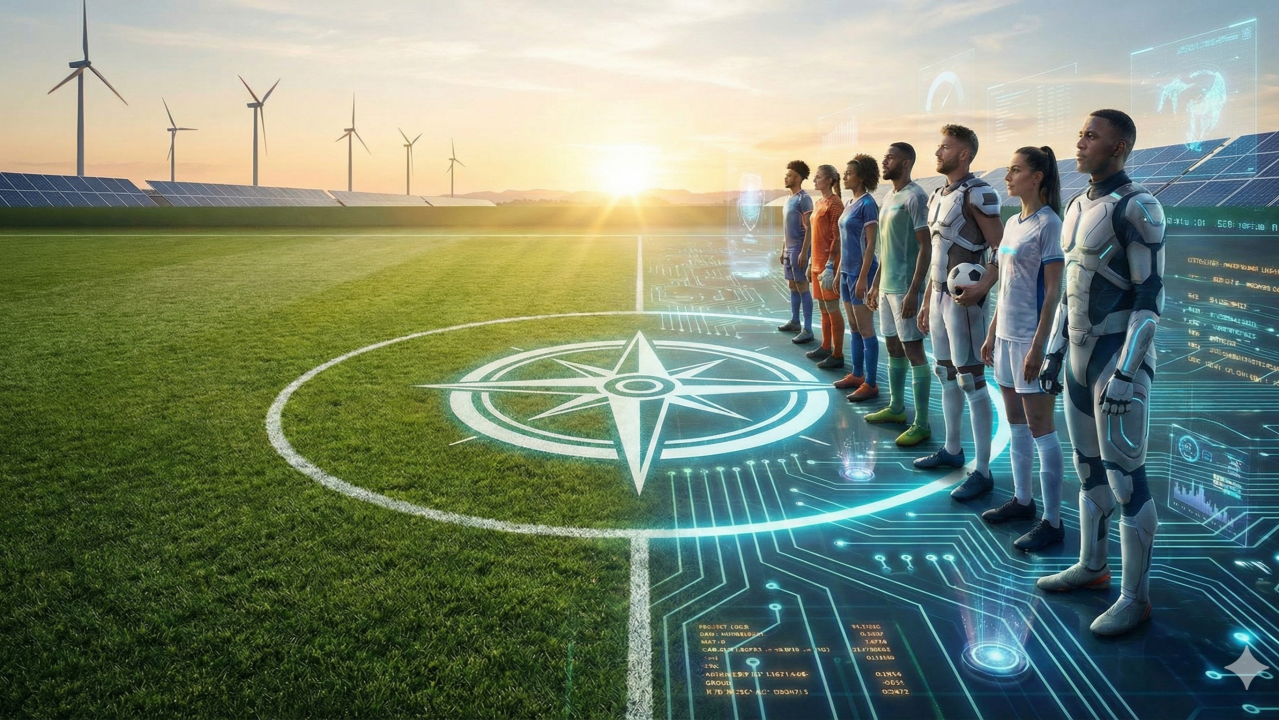
Subtitle: It is time to retire the stereotypes. Esports is not just a booming industry; it is a blueprint for how the next generation consumes competition, community, and entertainment.
Introduction
If you still picture esports as teenagers gaming in dim basements, it is time for a massive update to your mental model.
Picture instead the “Bird’s Nest” in Beijing, packed with 40,000 screaming fans, watching athletes compete for multi-million dollar prize pools, while another 100 million watch live online. Picture global franchises with valuations rivalling NHL teams. Picture an ecosystem that has turned “screen time” into the fastest-growing spectator sport on the planet.
For traditional sports leaders, esports has often been viewed with a mixture of scepticism, confusion, or perhaps mild condescension as a “niche” sidebar to the real thing. This is a dangerous oversight.
Esports is not a fad. It is a cultural juggernaut that has fundamentally rewritten the rules of fan engagement. It is not merely a competitor for eyeballs; it is a window into the future behaviour of the exact demographic traditional sports are desperately trying to reach.
Understanding esports is no longer optional. It is foundational to navigating the future of the sports industry.
The Demographic Tide Shift
The single most compelling reason to pay attention to esports is the audience.
While traditional broadcast television struggles with ageing demographics, esports has a stranglehold on Gen Z and younger Millennials, the elusive “cord-nevers” who are notoriously difficult for conventional advertisers to reach.
This audience is globally connected, highly engaged, and digital-first. They do not wait for the 7 PM news for highlights; they consume content asynchronously across TikTok, YouTube, and Twitch. They do not just watch; they participate.
For this generation, gaming is not just a hobby; it is their primary social currency and their main form of entertainment. When they look for competition, they do not instinctively turn on a football match; they log into a stream.
The “Lean-Forward” Engagement Model
The true genius of the esports ecosystem lies not in the games themselves, but in the engagement model they have pioneered.
Traditional sports consumption has historically been a “lean-back” experience: you sit on the couch and watch the action unfold. Esports is fundamentally a “lean-forward” experience.
1. Radical Accessibility: In traditional sports, there is a massive, intentional barrier between the fan and the athlete. You will never play basketball with LeBron James.
In esports, the barrier is permeable. A fan can watch a professional win a world championship on Saturday, watch that same professional stream their practice session on Twitch on Monday, interact with them directly in the chat, and then log in and play the same game using the same strategies on Tuesday. This creates a depth of connection that traditional sports struggle to replicate.
2. The 24/7 Content Engine: Traditional sports are constrained by seasons, physics, and human fatigue. An NFL team plays 17 times a year.
Esports is “always-on.” Between global tournament schedules, individual player streams, and a relentless deluge of user-generated content, the ecosystem provides a 24/7 drip-feed of engagement. The conversation never stops.
3. Digital-Native Monetisation: While traditional sports rely heavily on broadcast rights and ticketing, esports has pioneered micro-transactions and digital goods. Fans happily spend billions annually on virtual “skins,” avatars, and in-game items to express their fandom digitally. This represents a high-margin revenue stream native to the platform, not an ancillary one.
The Great Convergence: Opportunity, Not Threat
So, where does this leave traditional sports organisations?
The narrative should not be about traditional sports versus esports. It should be about convergence. We are already seeing the lines blur.
We see major European football clubs fielding champion FIFA (now EA Sports FC) teams. We saw F1 leverage sim racing brilliantly during the pandemic to keep fans engaged when tracks were closed. We see the NBA 2K League creating a legitimate parallel professional structure.
Traditional sports bring decades of expertise in live event production, sponsorship sales, and narrative building. Esports brings youthful energy, digital innovation, and a deep understanding of online communities.
The opportunity lies in cross-pollination. It is about applying esports’ “lean-forward” engagement tactics to traditional broadcasts. It is about using stadium infrastructure to host major gaming events. It is about recognising that for a 15-year-old today, the definition of an “athlete” includes someone holding a controller.
Conclusion
Esports is not coming; it is already here, redefining the landscape of competition.
The question for industry leaders is not whether you personally enjoy watching someone else play a video game. The question is whether you respect the massive, passionate, and highly engaged global community that does.
To ignore esports is to ignore the future of fandom itself. The playing field has changed. It is time to learn the new rules of the game.