
Beyond the Turnstile: Crafting the Future of Fan Engagement

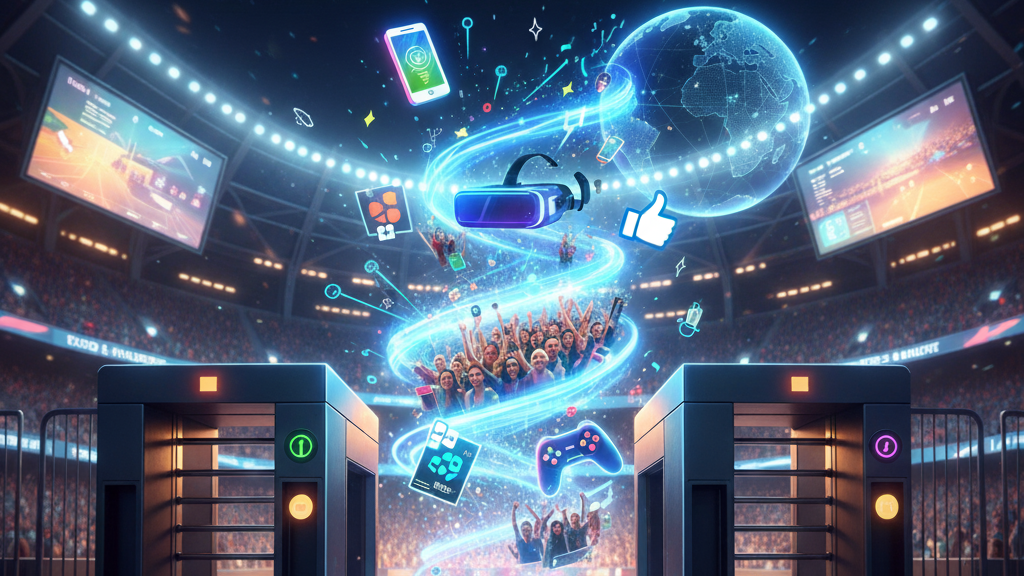
Introduction: The Evolving Heartbeat of Sport
For centuries, the relationship between sport and its fans was simple: the spectator bought a ticket, entered the turnstile, watched the game, and left. The engagement was finite, transactional, and confined mainly to the stadium or broadcast window. The roar of the crowd, the shared gasp, the communal cheer, these were the hallmarks of fandom. But today, that simplicity is a relic of the past. The digital revolution has shattered the traditional boundaries of fan interaction, empowering audiences with unprecedented choice, voice, and expectations.
The modern fan is not just a passive observer; they are an active participant, a content creator, a brand ambassador, and an investor of time, emotion, and increasingly, data. The challenge for sports organisations, clubs, federations, leagues, and event organisers is no longer just to put on a good game. It is to cultivate a continuous, personalised, and immersive relationship that extends far beyond the final whistle.
This article examines the seismic shift in fan engagement, transitioning from a traditional event-centric model to a holistic, year-round ecosystem. We will explore how technology, data, and innovative strategies are not only enhancing the fan experience but also fundamentally redefining what it means to be a fan in the 21st century.
The Problem: The “Game Day” Blind Spot
The traditional approach to fan engagement suffers from a critical “game day” blind spot. It assumes that the pinnacle of the fan experience is the live event, and all efforts should culminate there. While the live event remains powerful, this narrow focus leads to significant missed opportunities and a failure to adapt to modern fan behaviours.
The weaknesses of this event-centric model are stark:
- Transactional, Not Relational: Engagement is treated as a series of isolated transactions (such as ticket sales and merchandise purchases) rather than a continuous, evolving relationship. This prevents the building of deep, resilient loyalty.
- Passive Consumption: Content delivery is largely one-way (broadcast, news reports). Modern fans crave interaction, personalisation, and opportunities to co-create, rather than just passively consume.
- Data Deficit: Without a holistic strategy, organisations struggle to collect and synthesise meaningful data beyond basic ticket sales. This lack of insight prevents personalised marketing, optimised content delivery, and a genuine understanding of fan preferences.
- Geographical Constraints: The traditional model inherently favours local fans who can attend games. It largely ignores the vast global digital audience, which represents immense untapped potential for growth and revenue.
- Fragmented Experience: Different fan touchpoints (website, social media, in-venue) often operate in silos, resulting in an inconsistent, disjointed experience for fans.
The result is a stagnant relationship with a highly engaged, yet often underserved, audience. In a world of infinite content choices, loyalty is no longer guaranteed; it must be continually earned.
The Solution: The 365-Day Fan Ecosystem
The future of fan engagement lies in building a continuous, immersive, and personalised 365-day ecosystem. This model recognises that the fan journey extends far beyond the 90 minutes of play, leveraging technology and data to create value at every touchpoint.
This ecosystem has several key pillars:
- Digital-First Engagement: This involves developing robust mobile apps, creating interactive websites, and maintaining a sophisticated presence across various social media platforms. Content is tailored, interactive, and available on demand, fostering constant connection.
- Personalisation at Scale: Leveraging AI and data analytics to understand individual fan preferences. This means delivering tailored content, personalised offers, and curated experiences that resonate deeply with each fan.
- Community & Co-Creation: Empowering fans to be active participants. This includes user-generated content initiatives, fan forums, fantasy leagues, e-sports integration, and even direct input on club decisions, turning fans into true stakeholders.
- Web3 Integration (NFTs, Fan Tokens, Metaverse): Exploring emerging technologies to create new forms of digital ownership, unique fan experiences, and direct community governance. This can unlock new revenue streams and deeper forms of loyalty.
- Enhanced Live Experience: While digital is paramount, the live event remains critical. Technology is used to augment the in-stadium experience with interactive screens, seamless ordering, augmented reality overlays, and personalised wayfinding.
Each pillar reinforces the others: digital content drives engagement, which generates data. Data enables personalisation, which deepens community. Community involvement fuels loyalty, which can be leveraged through new technologies like Web3, creating a self-reinforcing cycle of value.
Real-World Applications: The Fan Flywheel in Action
Visionary organisations are already building these sophisticated fan ecosystems:
Consider F.C. Barcelona’s Barça TV+ and their robust digital strategy. They offer a direct-to-consumer streaming service with exclusive content, documentaries, and historical archives. Their app provides personalised news, real-time statistics, and interactive games. They actively engage fans on social media, using polls and Q&A sessions. This creates a constant touchpoint that ensures fans feel connected and valued, even when there is no game being played.
Another example is the rapid adoption of Fan Tokens by clubs such as Paris Saint-Germain, Juventus, and Manchester City. These digital assets, powered by blockchain, grant fans voting rights on minor club decisions (such as jersey designs or warm-up songs), access to exclusive merchandise, and VIP experiences. This innovative approach transforms passive supporters into active participants with tangible influence, creating a new layer of engagement and loyalty.
Beyond the elite level, consider how many esports organisations have built their entire fan base on continuous, interactive digital engagement. Their entire model is built on community platforms like Twitch and Discord, where fans are not just spectators but integral parts of the culture, interacting directly with players and content creators. This digital-native approach offers invaluable lessons for traditional sports.
The Fan Engagement Playbook: A Framework for Connection
Building a flourishing 365-day fan ecosystem requires a strategic, multi-faceted approach:
- Understand Your Audience (Data First): Invest in robust CRM systems and analytics tools. Go beyond demographics to understand psychographics: what motivates them? What content do they consume? What channels do they prefer? Personalisation starts with a deep understanding.
- Harmonise Touchpoints (Omnichannel Experience): Ensure a consistent, seamless experience across all platforms, website, app, social media, email, and the physical venue. Each channel should complement, not compete with, the others.
- Content, Content, Content (Value Beyond Game Day): Develop a diverse content strategy that goes beyond highlights. Think behind-the-scenes access, player interviews, tactical breakdowns, historical features, fan stories, and interactive challenges. Deliver value every day.
- Embrace Two-Way Communication (Co-Creation): Establish channels for fans to provide feedback, submit ideas, and engage directly with the club/federation. Empower user-generated content through contests and features. Fans are your most powerful storytellers.
- Innovate with Emerging Tech (Thoughtful Integration): Experiment wisely with new technologies. Do not adopt Web3 or the Metaverse just because it is trendy; identify how it can genuinely enhance fan loyalty, create new value, or solve existing problems.
“The modern fan is not just a spectator; they are a stakeholder, a content creator, and the ultimate driver of sport’s future.”
The Fan at the Core
For too long, fan engagement has been treated as a marketing afterthought or a game-day operation. In an increasingly competitive landscape for attention and loyalty, this approach is unsustainable. The organisations that will thrive are those that place the fan at the absolute centre of their universe, creating a continuous, personalised, and enriching relationship.
This shift moves beyond the transaction of a ticket to the enduring value of genuine connection. As sports organisations look ahead, the critical question is no longer, “How do we get fans to the game?” but rather, “How do we keep the fan engaged, valued, and integral to our story, every single day of the year?”